Designing Events for Community, Not Just Content
December 8, 2025
By: Beth Surmont, Head of Strategy & Design
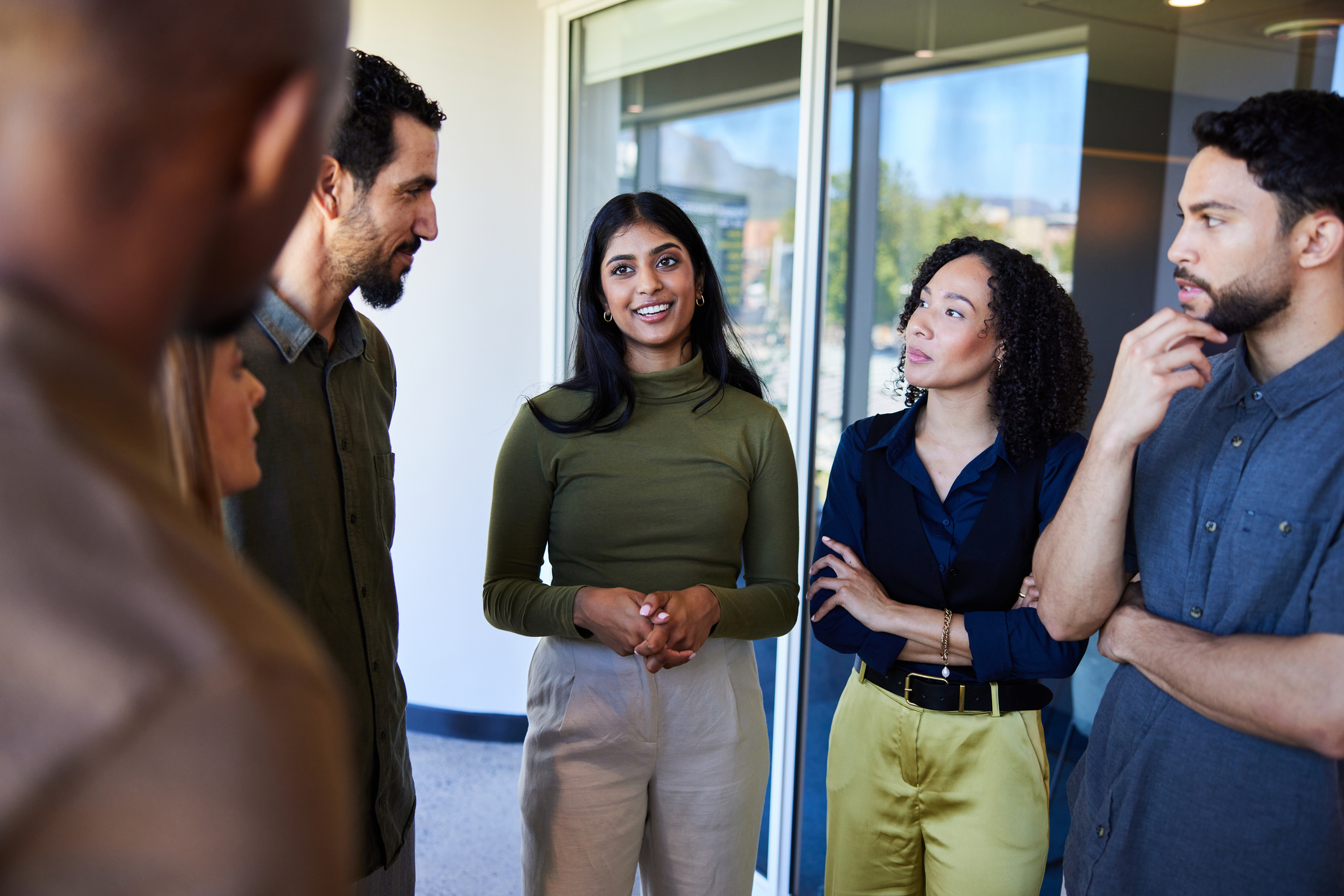
When people come to your annual meeting, they’re not just looking for information. They’re looking for connection. They want to meet others who understand their challenges, speak their language, and share their sense of purpose.
In a world where we can find endless sources of content at any time, the unique value proposition of your event is community.
Building that kind of community doesn’t happen by accident. It takes intention. Too often, events are built around content first, with packed schedules overflowing with speakers and sessions. This leaves attendees sitting side by side instead of engaging with each other.
The goal of your event should be to strengthen your industry and advance your mission. To accomplish this, you need to design for connection.
So how do you design for community, not just content?
Start by thinking about three simple questions:
- What is your audience especially good at?
- What is your organization’s mission?
- What does the world need right now?
The intersection of those three answers is where true community can form. It’s where attendees can see that their time and participation have meaning beyond their own professional growth. When you invite people to work together toward a shared purpose you transform them from a group of individuals into a team.
Here’s how to make that happen:
Create shared purpose
Unite people around something relevant to their jobs and your industry’sfuture. Build sessions that ask participants to help define solutions, priorities, or recommendations that move the field forward. Instead of only delivering information, create space for attendees to co-create content in realtime. People remember the events where they contributed to something meaningful.
Design for small-group connection
Even at large conferences we can create space for intimacy. Scenario sessions, team-based challenges, or facilitated small-group discussions allow participants to work through real-world issues together. When people collaborate on a problem, they build relationships faster and remember the experience longer. This is especially powerful for association audiences, who often crave peer learning and validation from others who face the same challenges.
Build community before people arrive
Connection doesn’t need to wait until the first coffee break. Consider formingpre-event cohorts or topic circles that meet virtually before arriving onsite. These small groups help participants arrive with a sense of belonging already established; and they give introverted attendees an easier entry point. A simple book club model works well too: have attendees read or watch something in advance, then meet onsite to discuss it.
Make connection effortless
Pins or stickers with prompts like “Ask me about…” or “I’m looking for ideas on…” make it easy to start conversations. Topic- or affinity-based meetups let people find others who share their interests or challenges. Even collectable swag can play a role when it represents participation in a shared cause or community; something people are proud to wear and makes them feel connected.
Think about how it feels, not just how it runs
When designing for community, the most important measure of success isn’t the number of sessions delivered, it’s how participants feel at the end of the experience. Did they meet people they want to stay in touch with? Do they feel inspired to take action? Do they see themselves as part of something larger?
Community is what turns attendees into champions, and champions into amplifiers. It’s also what strengthens your association’s role as the trusted convener of your field.
When your event is perceived as the place to collaborate in your field, you build an environment where ideas spread faster, relationships deepen, and people come back.
Explore Our Latest Insights
Stay updated with our latest blog posts and trends.